
Moving home isn’t an exercise entered into willingly; it’s a disturbing and arduous course of, stippled with hidden prices and requiring the entire upheaval of a life. A home transfer is as a rule a necessity, borne of outgrowing your current atmosphere. But many are ditching the method altogether, for a less expensive, extra handy and doubtlessly profit-making different: constructing an residence extension.
The writing was on the wall as early as 2017, with relentless inflation pricing many householders out of the property ladder – and leading to a 183% increase in applications for basement extensions, a rise that holds to today. Of course, not many households have the liquidity to afford an extension outright, making financing the undertaking greater than half the battle. We’ll check out the extension-building course of from begin to end, with solutions alongside the way in which as to how finest to finance your extension.
Step One: Decide on Your Investment
First, you wish to be completely positive that an extension is the right manner ahead for you. A undertaking of this measurement is value a substantial amount of cash, and also you is perhaps anxious to spend or owe that quantity with out totally understanding the advantages to you.
Besides the additional house and enchancment to high quality of life, the house extension will add worth to your property, appearing as an funding greater than an expenditure. This ONS calculator exhibits the broad strokes of potential worth an extension may add to your property, by postcode.
Step Two: Draw Up Plans
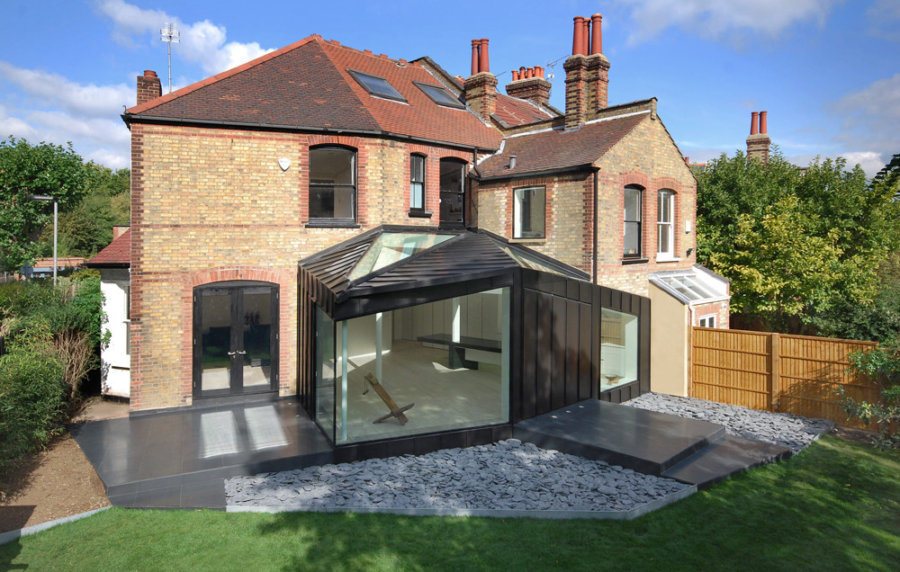
Your subsequent step is to verify the finer particulars of your extension. You will have already got a imprecise thought of your wants, and the extension’s location – loft, basement, single- or two-storey – however to progress with the undertaking, and to achieve a extra concrete understanding of your funding, now can be the time to herald a specialist.
There are a couple of choices right here. You can retain an architect, who will draw up a bespoke design together with your enter, present tough estimates for finances and put you involved with different related specialists. Alternatively, you’ll be able to rent a full-service design and construct firm, sacrificing some inventive license for a smaller, much less risky projected price.
Step Three: Choose Your Financing Route
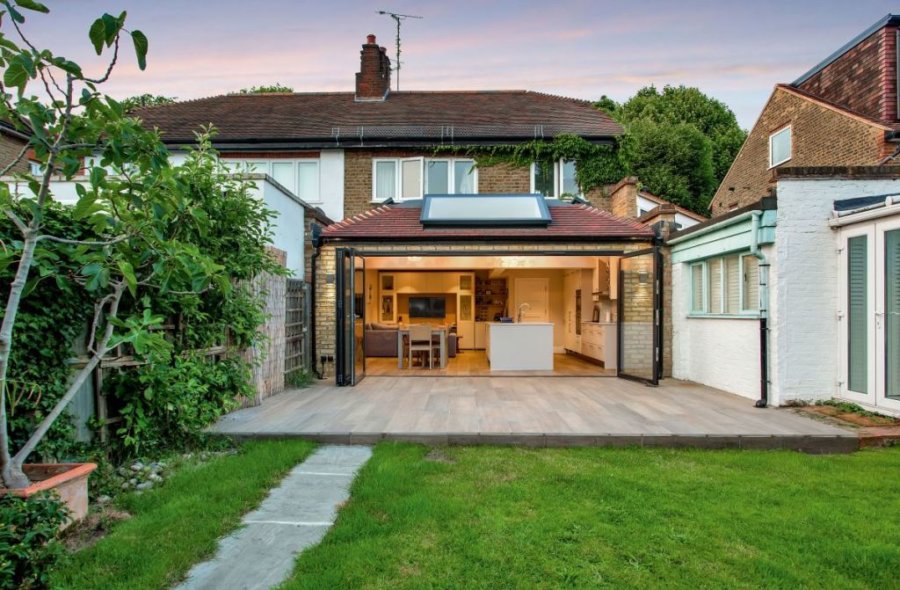
With plans drawn up, professionals retained and an correct finances created, all that continues to be is to resolve the way in which through which you’ll finance your undertaking. There are many various routes you’ll be able to take, every with their very own advantages. You would possibly think about using a bank card to cowl the upfront prices of an residence extension – however choosing the fallacious one may end in you paying notably excessive rates of interest on repayments, and in case your finances will increase unexpectedly you would attain your bank card’s restrict earlier than the undertaking is full.
A better option lies in the use of secured homeowner loans, whereby a hard and fast quantity is loaned towards your property. Loans comparable to these will let you select an actual quantity to borrow, and the timescale through which you’d wish to pay it again – supplying you with management over your funding.
Lastly, you would possibly contemplate peer-to-peer lending. Close household and associates could also be prepared to pitch in and provide help to full your undertaking – and with no contracts or rates of interest, this may imply much less complications for you. Naturally, this financing choice is just isn’t a very dependable one, and you continue to would possibly battle to lift the requisite funds.
You may additionally like: 7 Things to Consider Before Building a Swimming Pool


